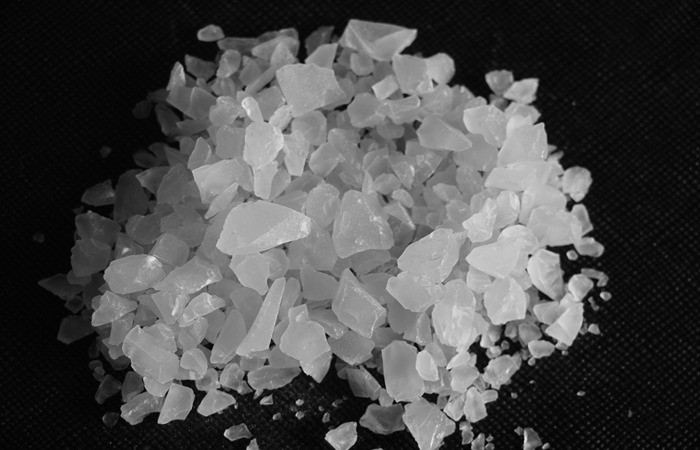
Hydroxyethyl Methylcellulose (HEMC), also known as HMEC, is a modified cellulose polymer derived from natural plant fibers (usually wood pulp or cotton). Through chemical processing, cellulose is converted into a water-soluble powder that dissolves in water and forms a viscous solution.
HEMC is non-ionic, meaning it does not react chemically with cement, lime, or other minerals in mortar. This makes it stable and reliable in cement-based systems.
Why HEMC Is Important in Construction
In dry-mix mortars such as tile adhesives, plasters, and renders, HEMC controls:
-
Water behavior
-
Flow and thickness
-
Setting speed
-
Application comfort
Without HEMC, tile adhesive would dry too fast, be difficult to spread, and produce weak bonding.
Key Functions of HEMC in Dry-Mix Mortars
Thickener & Rheology Modifier
HEMC increases viscosity and controls how the mortar flows. It prevents the mix from being too runny while keeping it smooth and workable.
Water Retention Agent
Cement needs water to hydrate properly. HEMC holds water inside the mortar and prevents it from being absorbed too quickly by:
-
Porous tiles
-
Concrete substrates
-
Hot or dry environments
Workability Improver
HEMC gives the mortar a creamy texture, making it easy to mix, spread, and comb with a trowel.
Sag Resistance Enhancer
On vertical surfaces, tiles can slide down due to gravity. HEMC increases internal cohesion so tiles stay in place.
Open Time Extender
HEMC slows water loss, allowing installers more time to place and adjust tiles without losing adhesion.
Chemical Modification of HEMC
HEMC is produced by modifying cellulose with two functional groups:
Methyl Groups (–CH₃)
-
Improve water solubility
-
Enhance film-forming ability
-
Increase smoothness
Hydroxyethyl Groups (–CH₂CH₂OH)
-
Improve water retention
-
Increase the flexibility of the polymer chain
-
Enhance performance at high temperatures
Why Dual Substitution Matters
The combination of methyl and hydroxyethyl groups creates a balance of:
-
Strong water retention
-
Smooth, non-rubbery consistency
-
Stable viscosity in hot climates
Difference Between HEMC and HPMC
Although both are cellulose ethers, their chemistry creates different behavior.
Substitution Groups
-
HEMC: Hydroxyethyl + Methyl
Thickening Behavior
-
HEMC produces a flowable, creamy mortar
-
HPMC creates a more elastic and gel-like structure
Sag Resistance
-
HPMC offers higher sag resistance
-
HEMC provides moderate to good sag resistance
Temperature Tolerance
HEMC maintains viscosity better at high temperatures, making it more suitable for hot regions.
Cost Difference
HPMC requires more complex processing, so it is more expensive than HEMC.
Use of HEMC in Tile Bond (Tile Adhesives)
HEMC is one of the most critical additives in cement-based tile adhesives.
Water Retention
It prevents premature drying, especially on:
-
Absorbent tiles
-
Hot substrates
-
Outdoor applications
Improved Workability
HEMC ensures easy spreading and consistent thickness during application.
Extended Open Time
Installers get more working time before the adhesive skins over.
Anti-Slip Performance
Tiles remain fixed in position on walls and facades.
Improved Adhesion
When used with RDP, HEMC improves bonding strength by ensuring proper cement hydration and polymer film formation.
Optimum Quantity of HEMC in Tile Bond Formula
Correct dosage is essential for performance.
Typical Dosage
-
0.20% – 0.40% of total dry mix
-
Usually 2.5 – 3.5 kg per 1000 kg
If the Dosage Is Too High
-
Mortar becomes sticky
-
Slower strength development
-
Difficult tile placement
If the Dosage Is Too Low
-
Poor water retention
-
Fast skin formation
-
Reduced open time
Proper formulation ensures a balance between workability and strength.
Why Use HEMC Instead of HPMC in Tile Bond?
Cost Efficiency
HEMC is significantly cheaper and suitable for mass-market products.
Better Flow and Creaminess
Installers prefer HEMC because it feels smoother and less rubbery.
High-Temperature Stability
HEMC performs better in hot weather and reduces viscosity loss.
Faster Wetting and Mixing
HEMC dissolves faster, reducing mixing time and lump formation.
Why HEMC Is Best for Tile Bond in Pakistan
(A) Hot Climate Compatibility
Pakistan experiences high temperatures and fast evaporation. HEMC helps retain water longer, ensuring proper cement hydration.
(B) Compatibility with Local Raw Materials
Local cement and sand quality can vary. HEMC is more forgiving and performs consistently despite variations.
(C) Market Cost Sensitivity
HEMC allows manufacturers to meet performance standards while keeping prices affordable.
(D) Applicator Preference
Local masons prefer creamy, easy-to-use mortar. HEMC improves comfort and productivity on-site.
Supply of HEMC in Pakistan
HEMC is imported mainly from China. It is supplied through:
-
Chemical distributors
-
Tile adhesive raw material suppliers
-
Direct imports for large-volume users
Direct importing reduces cost and ensures consistent quality.
Best Chinese Brands for HEMC
China leads global cellulose ether production due to advanced technology and scale. Tier-1 brands offer:
-
Stable viscosity
-
Consistent water retention
-
Reliable batch-to-batch quality
These brands are widely trusted by international tile adhesive manufacturers.
Choosing the Right HEMC Grade for Tile Adhesives
Key parameters include:
-
Viscosity range suitable for mortar
-
Balanced methoxy and hydroxyethyl content
-
Surface-treated grades for controlled solubility
Correct grade selection ensures stable performance.
When HPMC Is Still Preferred
HPMC is chosen when:
-
Very high sag resistance is required
-
Large-format tiles are used
-
Premium or export-grade adhesives are produced
Sometimes a blend of HEMC and HPMC gives the best balance.
Final Words
HEMC is a cost-effective, high-performance cellulose ether that meets the practical needs of tile adhesive manufacturers in Pakistan.
It provides:
-
Excellent workability
-
Reliable water retention
-
Strong performance in hot climates
-
Lower production cost
For most tile adhesive applications, HEMC is the most balanced and commercially smart choice.
Feel free to contact us if you need Hydroxyethyl Methylcellulose in Pakistan.