
Physical/Chemical characteristics
There are a few characteristics of acetic acid that make this particular acid different than others assessed in your studies thus far:
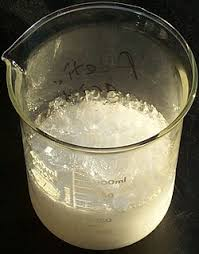
- Melting point:16.6°C – forms crystals such as ice at lower temperatures; thus, the term glacial acetic acid.
- Boiling point:117.9°C
- Density: Approximately 1.049 g/cm2 @ 20 °C
- Acidity: Weak monoprotic organic acid with pKa of approximately 4.76
Reactivity:
- A substance can react with carbonates or bicarbonates and produce carbon dioxide gas (CO₂) as a result.
- When combined with alcohols through the esterification process.
- As a strong, corrosive material, it can cause burns to skin at high temperatures.
Industrial Applications
1. The Food and Beverage Industry
- Vinegar (mainly acetic acid) for food preservation; pickling (flavouring, adding acidity, making the food safe).
- Acts as a pH adjuster and antioxidant for cooking sauces/dressings/beverages.
- To prevent microbial contamination in foods produced at lower pHs.
2. Chemical & Pharmaceutical Industry
- Acetic Anhydride, a significant raw material for the manufacturing of both pharmaceuticals and plastics, is produced using acetic acid.
- It can also be used as a solvent or reagent in many organic synthesis reactions driven by the Chemical & Pharmaceutical industries.
3. The Textile/Dye Industry
- Used to adjust dyeing/treatment processes for natural (cellulosic) and synthetic fibres by maintaining both pH levels and ensuring dye attachment efficiency.
- It is also used as a solvent for the swelling of natural (cellulosic) fibres in the textile industry.
4. Water Environmental Treatment
- Used as a pH adjuster for industrial wastewater treatment facilities.
- Helps to neutralise alkaline discharge streams and bring them to a pH suitable for bio-processes.
5. Construction and Coating Industries
- It functions as a pH modifier in some of the coatings and adhesion treatments.
- It adjusts the acidity of certain cleaning and pretreatment solutions to help prepare surfaces and clean in specialty ways.
6. Personal Care & Cleaning Products
- Cosmetic formulations and pH-adjusting agents use it.
- Cleaning products that require an acidifier and a degreaser also use it.
How To Confirm the Quality of Acetic Acid
Before making a purchase, confirm the following:
- Purity (amount of CH₃COOH): You can verify by doing a titration test or checking the supplier certificate of analysis (C.O.A).
- Concentration: Food grade (4-8%); Industrial grade (70-80%); Glacial (≥99%). To confirm this, use a hydrometer.
- Color: Check for clarity and colorlessness (no suspended particles).
- Odour: A strong vinegar-like odour, with no burning or off odours.
- pH/acidity: Matches laber strength for the intended use.
Always ask for the Certificate of Analysis and Material Safety Data Sheet.
Global & Chinese Suppliers of Acetic Acid
Global Top Manufacturers
- British Petroleum (United Kingdom)
- Eastman Chemical Company (USA)
- Mitsubishi Gas Chemical Company (Japan)
- Saudi Basic Industries Corporation (Saudi Arabia)
Chinese Suppliers of Acetic Acid
- LyondellBasell Industries
- Jiangsu Sopo Chemical
- Petro China
Where to Buy Acetic Acid in Pakistan
There are several locations within Pakistan’s borders where individuals and businesses can purchase industrial acetic acid products.
- Karachi _ Jodia Bazar and Local Chemical Distributors.
- Lahore _ Shah Alam Market and Local Industrial Distributors.
- Other Cities (Faisalabad and Gujrat) _ Local Textile Suppliers and Chemical Distributors.
Acetic acid may be packaged in either 25 to 30 Liter plastic containers or International Bulk Containers (IBCs), depending upon the user’s application of the material.
Acetic Acid Pricing (2026 Industrial Grade)
Prices for Acetic Acid vary according to its purity, its packaging, and from where/what country it was imported.
- China (FOB, 2025): Approximately USD 350-440 per metric ton for glacial or high-purity.
- Pakistan Industrial Price Range: Approximate PKR 300-450 per kg, depending upon purity and quantity purchased.
Before committing to a chemical supplier, compare each chemical supplier’s Certificates of Analysis (COA), product strength, packaging methods, and safety data related to the use of the supplied product. Tianjin Unilion can source acetic acid (CH3COOH) from reliable international suppliers. Complete quality checks, logistics, and customs clearance ensure that you receive raw materials with the least amount of risk.
Reviews
There are no reviews yet.