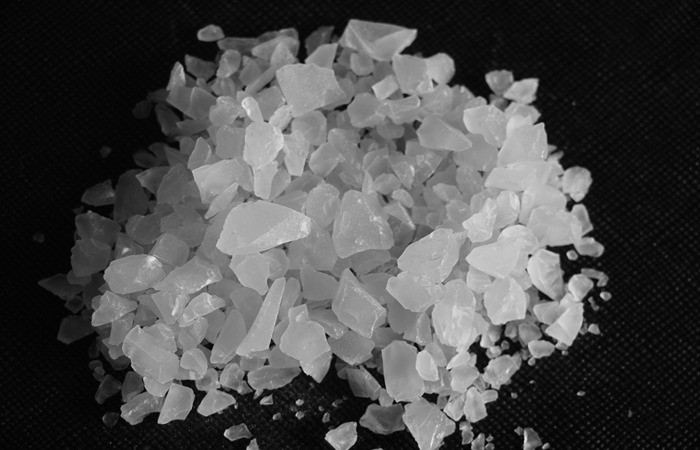
Concrete technology has evolved far beyond simple cement, sand, and aggregates. Today, concrete performance is carefully engineered using admixtures that control setting time, workability, and long-term strength. Among these admixtures, Sodium Gluconate plays a critical role, especially in ready-mix, mass concrete, and high-performance construction.
Sodium gluconate is widely used as a set retarder and water-reducing aid. It allows concrete to remain workable for longer periods without sacrificing strength or durability. In large-scale projects where transportation time, hot weather, or complex placement conditions are involved, sodium gluconate becomes an essential ingredient.
What Is Sodium Gluconate?
Sodium gluconate is the sodium salt of gluconic acid, produced by the fermentation of glucose. It appears as a white to off-white crystalline powder and is highly soluble in water. Due to its excellent chelating ability, sodium gluconate interacts with calcium ions in cement, making it particularly effective in concrete admixture applications.
Why Sodium Gluconate Is Used in Concrete Admixtures
The primary function of sodium gluconate in concrete is to control cement hydration. By delaying the reaction between cement and water, it provides extended working time while maintaining strength development.
Key reasons for its use include:
-
Improved workability retention
-
Controlled setting time
-
Reduced water demand
-
Enhanced surface finish
-
Improved strength consistency
These benefits make sodium gluconate suitable for both conventional and high-performance concrete systems.
Read: 6 Construction Industry Chemicals: Types, Uses, and Performance
How Sodium Gluconate Works in Cement Hydration
Sodium gluconate acts as a chelating agent. It binds with calcium ions released during cement hydration, slowing down the formation of calcium silicate hydrate. This controlled hydration process delays setting without stopping strength development.
Once the effect diminishes, normal hydration resumes, allowing concrete to achieve its designed mechanical properties.
Role of Sodium Gluconate as a Set Retarder
Setting Time Control
Sodium gluconate is one of the most effective organic set retarders. Even at low dosages, it can significantly delay initial and final setting times. This is especially useful in:
-
Hot weather concreting
-
Long-distance concrete transportation
-
Large pours, such as foundations and dams
Uniform Performance
Unlike some traditional retarders, sodium gluconate provides consistent performance with less risk of flash setting or uneven hardening.
Water Reduction and Workability Improvement
In addition to retarding properties, sodium gluconate helps improve workability. It allows concrete to achieve the desired slump with lower water content, which directly contributes to higher strength and reduced permeability.
Benefits include:
-
Easier pumping
-
Better compaction
-
Reduced bleeding and segregation
Impact on Concrete Strength and Durability
When used correctly, sodium gluconate does not reduce compressive strength. In many cases, it improves long-term strength due to better particle dispersion and a lower water-cement ratio.
Durability improvements include:
-
Reduced shrinkage cracking
-
Improved surface density
-
Better resistance to carbonation and moisture ingress
Compatibility with Other Concrete Admixtures
Sodium gluconate is compatible with most common concrete admixtures, including:
-
Polycarboxylate ether superplasticizers
-
Lignosulfonates
-
Air-entraining agents
It is often used in combination with PCE-based superplasticizers to achieve extended slump retention without loss of strength.
Typical Dosage of Sodium Gluconate in Concrete
Recommended dosage depends on cement type, temperature, and application. Typical ranges are:
-
0.05 to 0.30 percent by weight of cement
Lower dosages provide mild retardation, while higher dosages offer extended setting control. Trial mixes are always recommended before large-scale use.
Also read: The Ultimate Guide to Achieving Perfect Tile Adhesive Bonds
Applications of Sodium Gluconate in Construction
Sodium gluconate is widely used in:
-
Ready-mix concrete
-
Mass concrete structures
-
Precast concrete
-
Hot weather concreting
-
High-strength and high-performance concrete
Its versatility makes it suitable for both infrastructure and commercial construction projects.
Advantages of Sodium Gluconate Over Traditional Retarders
Compared to inorganic or sugar-based retarders, sodium gluconate offers:
-
More predictable setting control
-
Better strength retention
-
Lower dosage requirement
-
Reduced risk of overdosing
These advantages make it a preferred choice in modern concrete formulations.
Quality Considerations When Using Sodium Gluconate
The effectiveness of sodium gluconate depends heavily on purity and consistency. Low-quality material can cause excessive retardation or inconsistent performance.
It is important to source sodium gluconate from reliable suppliers who maintain strict quality control standards.
Industry Supply and Chemical Solutions
Companies such as Tianjin Unilion Pakistan, which deal in all kinds of paint and construction chemicals, supply sodium gluconate and other essential concrete admixture ingredients to support consistent and high-performance construction outcomes.
Environmental and Safety Aspects
Sodium gluconate is:
-
Non-toxic
-
Biodegradable
-
Environmentally friendly
These characteristics make it suitable for use in sustainable construction practices and green building projects.
Conclusion
Sodium gluconate is a highly effective and reliable admixture used to control setting time, improve workability, and enhance durability in concrete. Its compatibility with modern superplasticizers and its predictable performance make it an essential component in today’s concrete technology. As construction demands continue to grow in complexity, sodium gluconate will remain a key solution for achieving quality, consistency, and long-term performance.
Frequently Asked Questions (FAQs)
1. What is the main function of sodium gluconate in concrete?
It acts as a set retarder and improves workability.
2. Does sodium gluconate reduce concrete strength?
No, when properly dosed, it maintains or improves long-term strength.
3. Can sodium gluconate be used with PCE superplasticizers?
Yes, it is highly compatible and often used together.
4. Is sodium gluconate suitable for hot weather concreting?
Yes, it is particularly effective in high-temperature conditions.
5. Is sodium gluconate environmentally safe?
Yes, it is biodegradable and non-toxic.