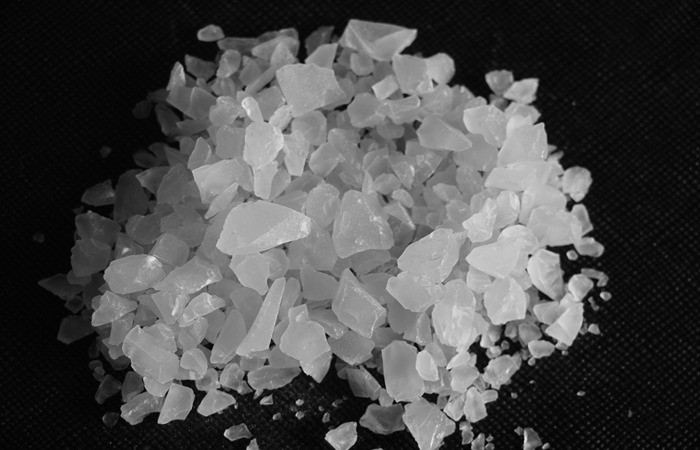
If you’ve spent any time around modern construction sites, concrete batching plants, or dry-mix mortar facilities, you’ve likely heard the term Polycarboxylate Superplasticizer mentioned more than once. In today’s construction world, it has become a cornerstone of high-performance cement-based materials.
But what exactly is Polycarboxylate Superplasticizer Powder (PCE), and why has it become so critical, especially in tile bond and tile adhesive applications?
Simply put, PCE is the silent performance enhancer behind modern concrete and advanced tile adhesive systems. From large-scale infrastructure projects in Pakistan to residential developments in Lahore, PCE plays a crucial role in achieving superior workability, strength, and durability.
In this comprehensive guide, we’ll explain everything in clear, practical terms, no complicated chemistry lessons, no unnecessary jargon. You’ll learn what PCE is, how it works, where it’s used, and why manufacturers and formulators increasingly rely on high-quality suppliers such as Tianjin Unilion, whose products are widely used across Pakistan’s growing construction and tile adhesive market.
So grab a coffee, and let’s dive in.
Understanding the Chemistry of Polycarboxylate Superplasticizer (PCE)
At its core, Polycarboxylate Superplasticizer Powder is a high-performance chemical admixture designed to optimize cement hydration and particle dispersion. Unlike older-generation plasticizers, PCE operates using a highly efficient and controlled mechanism.
How Polycarboxylate Ether Technology Works
PCE works through a combination of electrostatic repulsion and steric hindrance. In simple terms, PCE molecules prevent cement particles from sticking together. When cement particles agglomerate, they trap water and reduce performance. PCE breaks up these clusters, allowing water to distribute evenly.
The result?
✔ Lower water demand
✔ Higher strength
✔ Improved workability
✔ Better long-term durability
This is why PCE-based systems are widely adopted in high-performance construction materials throughout Pakistan, including dry-mix mortars and tile adhesives produced in Lahore.
Molecular Structure and Dispersion Mechanism
PCE has a unique comb-shaped molecular structure, consisting of a main backbone with side chains extending outward. These side chains physically keep cement particles separated, preventing re-agglomeration. This advanced structure is what makes polycarboxylate ether technology far superior to traditional superplasticizers.
Evolution of Superplasticizers in the Construction Industry
To fully appreciate the value of PCE, it helps to understand how construction admixtures have evolved.
From Lignosulfonates to Polycarboxylates
-
Lignosulfonates: Basic water reducers with limited performance
-
Naphthalene & Melamine-based superplasticizers: Better water reduction but poor slump retention
-
Polycarboxylate Superplasticizers (PCE): Third-generation admixtures offering exceptional dispersion, workability retention, and compatibility
Today, most premium construction chemicals supplied by global manufacturers are PCE-based, making them the preferred choice for modern construction projects across Pakistan.
What Is Polycarboxylate Superplasticizer Powder (PCE)?
Polycarboxylate Superplasticizer Powder is a free-flowing, water-soluble powder specifically developed for dry-mix formulations such as:
-
Tile adhesives
-
Tile bond mortars
-
Self-leveling compounds
-
Repair mortars
-
Grouts
Difference Between Liquid PCE and Powder PCE
| Liquid PCE | Powder PCE |
|---|---|
| Used in ready-mix concrete | Used in dry-mix mortars |
| Shorter shelf life | Excellent shelf life |
| Requires liquid dosing | Precise powder dosing |
| Less suitable for export | Ideal for transport & storage |
For tile adhesive manufacturers in Lahore and other industrial hubs in Pakistan, powder PCE is the practical and economical choice.
Key Properties of Polycarboxylate Superplasticizer Powder
High Water Reduction Capability
PCE can reduce water demand by 20–35% or more, leading to higher strength and improved adhesion.
Excellent Workability Retention
Unlike older admixtures, PCE maintains consistency over time, critical for tile adhesives requiring longer open time.
Broad Compatibility
PCE works seamlessly with:
-
OPC & PPC
-
Limestone fillers
-
Fly ash
-
Other additives (HPMC, RDP)
Uses of PCE in the Construction Industry
PCE in Ready-Mix Concrete
Improves flow, pumpability, and compressive strength essential for modern infrastructure projects across Pakistan.
PCE in Precast & High-Performance Concrete
Enables dense, smooth finishes and faster strength development.
PCE in Self-Compacting Concrete
Essential for achieving high flow without segregation.
Role of Polycarboxylate Superplasticizer in Concrete Admixtures
PCE is the backbone of modern concrete admixture technology. By improving dispersion and reducing water content, it significantly enhances strength development and durability, especially important in hot climates like Pakistan.
Polycarboxylate Superplasticizer in Tile Bond and Tile Adhesive
Why Tile Adhesives Need Advanced Admixtures
Tile adhesives must offer:
-
Strong bonding
-
Easy troweling
-
Extended open time
-
Minimal sagging
Without PCE, meeting these performance requirements would be extremely challenging.
Function of PCE in Tile Bond Formulations
In tile bond systems, PCE:
-
Improves flowability
-
Enhances adhesion strength
-
Reduces water requirement
-
Improves overall consistency
This is why leading tile adhesive formulations often use raw materials that depend on high-quality PCE powder.
Best Type of PCE for Tile Bond and Tile Adhesive
Comb-Type Polycarboxylate Ether
The most suitable PCE for tile adhesives is a comb-type PCE with controlled molecular weight, offering balanced dispersion and stability.
Low-Air-Entraining PCE Grades
Low air entrainment is essential to maintain strength and surface quality, especially for premium tile adhesives produced in China.
Optimum Quantity of PCE Used for Tile Bond
Recommended Dosage Range
The typical dosage is 0.1% to 0.3% by weight of cementitious material.
Factors Affecting Dosage
-
Cement composition
-
Filler type and content
-
Other additives (HPMC, RDP)
-
Desired open time and slip resistance
⚠ Overdosage may cause segregation or delayed settling. Proper testing is always recommended.
Advantages of Using PCE in Tile Adhesive Applications
Improved Installation Efficiency
-
Smooth troweling
-
Longer open time
-
Reduced installer fatigue
Long-Term Performance Benefits
-
Stronger bonding
-
Reduced shrinkage
-
Enhanced durability
Common Mistakes When Using PCE in Tile Adhesives
-
Overdosing PCE
-
Ignoring compatibility with other additives
-
Skipping formulation trials
Professional testing ensures optimal results.
Environmental and Sustainability Benefits of PCE
PCE supports green construction by reducing water and cement consumption. This contributes to lower CO₂ emissions an increasingly important factor for sustainable construction in Pakistan.
Future Trends in Polycarboxylate Superplasticizers
The future lies in customized PCE molecules designed for:
-
Rapid-setting tile adhesives
-
Low-carbon mortars
-
High-performance eco-friendly systems
Global innovators like Tianjin Unilion continue to lead advancements in this field.
Conclusion
Polycarboxylate Superplasticizer Powder (PCE) has revolutionized both the construction and tile adhesive industries. From improving concrete performance to delivering superior tile bond strength, PCE is no longer optional; it’s essential.
When the right type and dosage are selected, especially in tile adhesives, the results are clear: better workability, stronger adhesion, and long-lasting performance. Whether you’re a manufacturer, formulator, or contractor in Pakistan, understanding and using high-quality PCE is key to staying competitive in today’s construction market.
Frequently Asked Questions (FAQs)
1. What is Polycarboxylate Superplasticizer Powder used for?
It improves workability, reduces water demand, and enhances strength in concrete and tile adhesives.
2. Why is PCE preferred over older superplasticizers?
It offers superior water reduction, better workability retention, and higher compatibility.
3. Can PCE be used in all tile adhesives?
Yes, when properly formulated and dosed.
4. What is the ideal dosage of PCE for tile bond?
Typically, between 0.1% and 0.3% of cement weight.
5. Does PCE affect tile adhesive setting time?
It may slightly influence setting time depending on dosage and formulation.